IELTS Writing Band Descriptors - Myth and Truth
Rất nhiều thí sinh khi đi thi IELTS Writing thường không đạt được kết quả cao như mong muốn nhưng vẫn không hiểu vì sao. Một trong những lí do phổ biến nhất là vì thí sinh chỉ chăm chăm vào học sample essay mà không thật sự hiểu được tiêu chí chấm thi của giám khảo. Bài viết dưới đây sẽ giúp bạn phần nào nắm rõ hơn tiêu chí chấm thi IELTS Writing cũng như nhận ra những “ngộ nhận" thường thấy về bài thi này.

DOL IELTS Đình Lực
Oct 25, 2022
2 mins read

Table of content
4 tiêu chí chấm thi IELTS Writing
Mối liên hệ giữa 4 tiêu chí này
Điểm overall của thí sinh sẽ là trung bình cộng điểm của các tiêu chí này và
Task Achievement và Coherence and Cohesion: Hai tiêu chí này không được chênh nhau quá 1 band.
Nếu Lexical Resource và Grammar thấp thì Task Achievement và Coherence and Cohesion sẽ thấp luôn.
Cụ thể từng tiêu chí: Myths and Truths
Lexical Resource
Grammatical Range and Accuracy
Task Achievement
Coherence and cohesion
4 tiêu chí chấm thi IELTS Writing
Bài thi IELTS Writing Task 1 và Task 2 đều được chấm dựa trên 4 tiêu chí chính: Task Achievement, Coherence and Cohesion, Lexical Resource và Grammatical Range and Accuracy. 4 tiêu chí này sẽ được cho điểm lần lượt bằng thang điểm từ 1 tới 9.
Cùng nhìn tổng quan 4 tiêu chí này đánh giá những mặt nào nhé:
Task Achievement | Coherence and Cohesion | Lexical Resource | Grammatical Range and Accuracy | |
|---|---|---|---|---|
Task 1 | Tiêu chí này đánh giá khả năng đáp ứng yêu cầu đề của thí sinh (biết chọn lọc thông tin hiệu quả, biết làm nổi bật những yếu tố so sánh,...) | Tiêu chí này đánh giá khả năng thí sinh liên kết và sắp xếp các thông tin, các đoạn, các câu trong bài. | Tiêu chí này đánh giá khả năng sử dụng từ vựng một cách chính xác, đa dạng và phù hợp với ngữ cảnh để miêu tả thông tin biểu đồ. | Tiêu chí này đánh giá khả năng sử dụng ngữ pháp đúng và đa dạng (có nhiều cấu trúc câu phức khác nhau) trong bài. |
Task 2 | Tiêu chí này đánh giá khả năng đáp ứng yêu cầu đề của thí sinh (đưa ra quan điểm rõ ràng và biết cách phát triển luận cứ logic để chứng minh quan điểm đó) | Tiêu chí này đánh giá sự mạch lạc, khả năng thí sinh liên kết và sắp xếp các thông tin, các đoạn, các câu trong bài. (bằng cách dùng từ nối và không dùng từ nối) | Tiêu chí này đánh giá khả năng sử dụng từ vựng một cách chính xác, đa dạng và phù hợp với ngữ cảnh (collocation, word pattern và topic-specific vocab) | Tiêu chí này đánh giá khả năng sử dụng ngữ pháp đúng và đa dạng (có nhiều cấu trúc câu phức khác nhau) trong bài. |
Mối liên hệ giữa 4 tiêu chí này
Điểm overall của thí sinh sẽ là trung bình cộng điểm của các tiêu chí này và làm tròn xuống.
Ví dụ:
Nếu như:
Task Achievement 7.0
Coherence and Cohesion 6.0
Grammatical Range and Accuracy 6.0
Lexical Resource 6.0
=> điểm trung bình của thí sinh sẽ là 6.25
=> Làm tròn xuống 6.0
Thông thường, thí sinh thường nghĩ 4 tiêu chí trên là “riêng biệt" với nhau và chỉ cần làm tốt một tiêu chí thì có thể “kéo điểm" tất cả những tiêu chí kia lên. Thế nhưng sự thật là cả 4 tiêu chí này đều có liên quan lẫn nhau.
Task Achievement và Coherence and Cohesion: Hai tiêu chí này không được chênh nhau quá 1 band.
Ví dụ:
Bạn sẽ chẳng bao giờ thấy Task Achievement 8.0 mà Coherence và Cohesion lại 6.0 cả.
Lí do là vì:
Nếu Task Achievement của bạn thấp nghĩa là ideas bạn chưa tốt, chưa logic, chưa được sắp xếp thuyết phục => Bài viết thiếu tính mạch lạc => C&C sẽ thấp luôn.
Nếu Lexical Resource và Grammar thấp thì Task Achievement và Coherence and Cohesion sẽ thấp luôn.
Lí do là vì :
Nếu sai quá nhiều ngữ pháp và từ vựng thì bài viết sẽ trở nên khó hiểu => khó hiểu thì không thể đánh giá được ideas hay hay dở (TA thấp). Đồng thời, người đọc đọc một câu phải khựng lại đoán xem bài viết nói gì thì đương nhiên sẽ mất đi độ mạch lạc (C&C thấp).
Đây cũng là lí do tại sao thí sinh có thể gặp trường hợp bài đạt TA 6.0 - CC 6.0 - LR 8.0 - GR 8.0 nhưng gần như không thể nào gặp bài TA 8.0 - CC 8.0 - LR 6.0 - GR 6.0 được.
Cụ thể từng tiêu chí: Myths and Truths
Cùng đi sâu vào phân tích những “hiểu lầm" trước giờ trong từng tiêu chí nhé
Lexical Resource
Myth (Hiểu lầm) | Truth (Sự thật) |
|---|---|
Phải dùng từ vựng đao to búa lớn thì mới đạt điểm cao được! | Từ vựng đao to búa lớn mà dùng sai ngữ cảnh thì càng dễ bị trừ điểm! Tiêu chí Lexical Resource yêu cầu thí sinh dùng từ chính xác và phù hợp ngữ cảnh, chứ không phải “làm màu" dùng từ càng ít người biết càng tốt. |
Grammatical Range and Accuracy
Myth (Hiểu lầm) | Truth (Sự thật) |
|---|---|
Phải viết câu cực kì phức tạp, có nhiều vế thì may ra Grammar mới cao được. | Grammar được chia ra thành 2 mặt nhỏ: Accuracy (Độ chính xác) và Range (Độ đa dạng). Trong đó, giám khảo sẽ chỉ quan tâm tới độ đa dạng cấu trúc khi cấu trúc đó chính xác. Nói cách khác, nếu thí sinh viết câu phức tạp, nhiều vế mà viết sai thì vẫn bị trừ điểm nặng như thường. Ngoài ra, độ đa dạng của cấu trúc không nằm ở độ dài câu hay số lượng vế câu. Có 3 loại câu phức giám khảo muốn tìm trong bài: Relative Clause, Adverbial Clause và Noun Clause. |
Task Achievement
Myth (Hiểu lầm) | Truth (Sự thật) |
|---|---|
- Idea phải cùng quan điểm với giám khảo thì điểm mới cao. | - IELTS không đánh giá quan điểm của thí sinh. Miễn là thí sinh cung cấp ideas logic và thuyết phục để chứng minh quan điểm của mình là được. |
Bài viết càng dài điểm càng cao. | Thực tế thì bài càng dài càng dễ viết lạc đề, dẫn tới bị trừ điểm Task Achievement và Coherence và Cohesion. Ngoài ra, càng viết dài càng dễ mắc phải lỗi sai ngữ pháp và từ vựng, ảnh hưởng điểm Grammar và Lexical Resource. |
Coherence and cohesion
Myth (Hiểu lầm) | Truth (Sự thật) |
|---|---|
- Dùng càng nhiều từ nối khác nhau thì điểm Coherence and Cohesion càng cao. | - Sự thật hoàn toàn ngược lại! Từ nối (linking words) là rất quan trọng, tuy nhiên nếu lạm dụng thì bài viết sẽ nghe rất máy móc (mechanical) => Rất dễ bị band 6.0 trong Coherence và Cohesion. Thực chất, để đạt Coherence and Cohesion band 7.0+ thì thí sinh cần phải biết cách liên kết câu dùng từ nối và cả cách liên kết câu không dùng từ nối. (Bật mí xíu là ở DOL, bạn sẽ được học cả hai cách liên kết câu: cách sử dụng linking words và cách link tự nhiên, không dùng linking words đấy!) |
Vậy thật ra phải viết thế nào điểm mới cao được đây? Cùng xem thử bài hướng dẫn viết IELTS Writing cho từng dạng bài siêu chi tiết của DOL nhé! #Link #87 Cách viết IELTS Writing Task 2 #Link 101 cách viết IELTS General #Link 86 Cách viết IELTS Writing Task 1
Bài viết khác

#5 Bước để viết bài IELTS Writing Task 1 & Các kỹ năng cần thiết để làm bài
Bài thi IELTS Writing Task 1 yêu cầu chúng ta viết bài văn học thuật dài ít nhất 150 chữ trong thời gian 20 phút mô tả dữ liệu được trình bày dưới dạng đồ thị, bảng, hay quy trình. Để viết bài IELTS Writing Task 1 thành công, chúng ta phải trình bày được ngôn ngữ tả số liệu, xu hướng và so sánh, và phải có kỹ năng chọn ra thông tin nổi bật nhất, cũng như chứng minh được thông tin nổi bật đó bằng những thông tin chi tiết hơn.

Hướng dẫn phân tích bài mẫu IELTS Writing Task 1 Table (without trend)
Task 1 IELTS Table – Dạng bảng biểu là một trong những dạng bài khó trong phần thi IELTS Writing task 1 vì có rất nhiều số liệu. Trong khi đa phần các dạng writing task 1 ielts có biểu đồ thường có số liệu trình bày dưới dạng hình vẽ, rất dễ để ta quan sát hay so sánh xu hướng thay đổi thì ở Table Chart IELTS, các dữ liệu đưa ra dưới dạng bảng và có rất nhiều con số được đưa ra để bạn phân tích, điều này rất dễ nhiễu cho người viết. Để hỗ trợ các bạn làm tốt dạng bài này, chúng ta sẽ cùng phân tích một bài mẫu bằng phương pháp hiệu quả. Dạng bảng (Table) trong IELTS Writing Task 1 có 2 dạng là: Dạng table không có xu hướng (Table without time/trend); Dạng table có thể hiện xu hướng, sự thay đổi của số liệu từng hạng mục theo thời gian.

IELTS Writing Task 1 Describing a Process Example
IELTS Writing Task 1 Process là dạng đề tương đối ít gặp trong phần thi IELTS Writing nhưng không có nghĩa là bạn có thể xem thường dạng này. Chúng ta cần phải chuẩn bị kỹ càng cho mọi tình huống có thể xảy ra. Thông thường, dạng bài này yêu cầu người viết miêu tả một quá trình tự nhiên hay nhân tạo nào đó, bao gồm nhiều bước liên tiếp nhau để tạo thành một sản phẩm hoàn chỉnh. Với dạng Process ta phải đưa hết tất cả các bước(không chừa bước nào) nên không phải chọn những đặc điểm chung, mà chỉ đơn giản là thấy gì viết nấy. Vì thế, chúng ta nên để ý kỹ xem có bao nhiêu bước trong quy trình để không bỏ lỡ.
24 chủ đề IELTS Writing Task 2 thường gặp và hướng dẫn làm bài
Việc tìm hiểu trước các chủ đềwriting ielts thường gặp sẽ giúp bạn vừa có thời gian tiếp xúc và quen với cách làm, vừa hình thành sẵn những kiến thức căn bản để bạn áp dụng và phát triển thêm trong phòng thi. Vậy nên, trong bài viết dưới đây, DOL sẽ tổng hợp tất cả 24 chủ đề IELTS Writing Task 2, hãy cùng “take note” lại ngay nhé! Không phải là nói quá khi nói rằng IELTS Writing Task 2 là phần thi khó nhằn nhất trong bài kiểm tra tiếng Anh chuẩn hoá IELTS (International English Language Testing System). Những năm gần đây, các chủ đề được nhắc đến trong Writing IELTS Task 2 càng ngày càng mang tính thời sự.
Phân tích & Hướng dẫn làm bài Pie Chart IELTS Writing Task 1
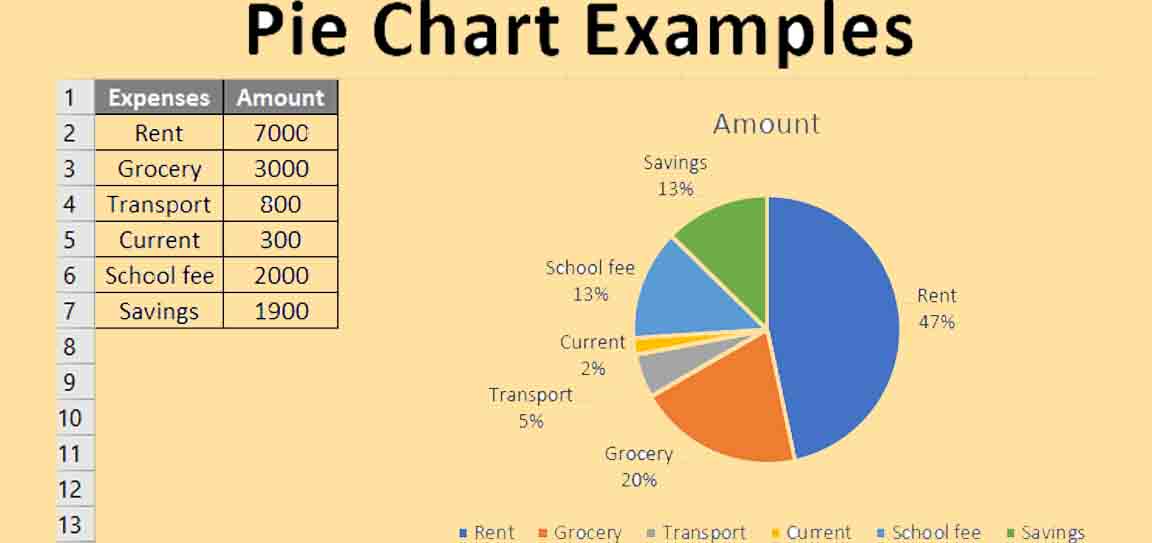
Writing task 1 Pie chart/graph – biểu đồ hình tròn hay biểu đồ dạng bánh là dạng biểu đồ chứa các thông tin của các danh mục dùng để phân tích hoặc so sánh thường được sử dụng trong đề thi IELTS Writing Task 1. Mỗi một danh mục được thể hiện bằng một phần trong hình tròn và được phân biệt bằng một màu riêng biệt. Thường sẽ có bảng chú thích tên các hạng mục và bảng tương ứng. Phần có màu càng lớn cho thấy số liệu của hạng mục đó càng lớn và ngược lại. Trong bài viết này, chúng ta sẽ tìm hiểu về Pie Chart và cách viết Pie Chart trong IELTS Writing Task 1 nhé!
Table of content
4 tiêu chí chấm thi IELTS Writing
Mối liên hệ giữa 4 tiêu chí này
Điểm overall của thí sinh sẽ là trung bình cộng điểm của các tiêu chí này và
Task Achievement và Coherence and Cohesion: Hai tiêu chí này không được chênh nhau quá 1 band.
Nếu Lexical Resource và Grammar thấp thì Task Achievement và Coherence and Cohesion sẽ thấp luôn.
Cụ thể từng tiêu chí: Myths and Truths
Lexical Resource
Grammatical Range and Accuracy
Task Achievement
Coherence and cohesion